
‘The Documentary Consultant’
Contents
- 1 ‘The Documentary Consultant’
- 1.0.1 CH: How did your film making journey begin?
- 1.0.2 CH: What inspires you for your work?
- 1.0.3 CH: You worked in various departments of the BBC, including arts and music, what was that like and what did it involve?
- 1.0.4 CH: Previously as a Commercials Director, you partnered with big brands to assist with their creative concepts, how did you bring their visions to life?
- 1.0.5 CH: In your experience what is the difference in approach to something that is fiction compared to a factual documentary?
- 1.0.6 CH: Why is structure so important in a documentary?
- 1.0.7 CH: Is there a project of yours that you are most proud of and why?
- 1.0.8 CH: You have directed and written several award winning films, what advice would you give to anyone wanting to make their first film?
- 1.0.9 CH: You are a highly acclaimed Documentary Consultant, what led you to start doing that and what can people expect from this service?
By Charlie Hall
Sutton Film Makers club members were thrilled with the opportunity to get up close and personal with Award winning film maker Col Spector, who gave an informative talk on the rules of documentary making.
Col Spector has directed and written many films and documentaries including the short film, ‘New years Eve’, featuring Keira Knightley and most recently his comedy feature film ‘I’m not in love’. His impressive client list includes the BBC, Netflix, Channel 4, ITV and the Disney channel to name a few.
A pioneer in documentary making and development with over 30 years experience, who has created an innovative system of principles, guaranteed to help people transform their ideas and make them a reality. Col is an inspirational driving force who is deeply passionate about empowering students and clients to help them succeed in making their documentaries. His talk was highly motivating and got me thinking so I caught up with him to find out more.
I went to art school for a year, then film school for three years, and then straight to unemployment.
Col Spector
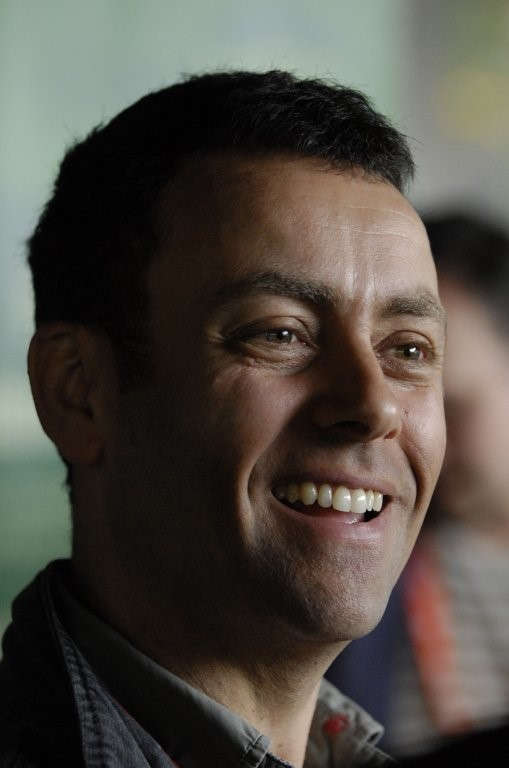
CH: How did your film making journey begin?
CS: I went to art school for a year, then film school for three years, and then straight to unemployment. Then I had to decide how to earn a living. It’s really good to think about where you can make a difference. What are you critical of? I love Western classical music, and I thought the classical music programmes on TV had room for improvement. And so that’s how I started developing my own documentary projects for the BBC. I worked away, wrote lots of treatments, and then started pitching them to the BBC.
CH: What inspires you for your work?
CS: In terms of documentary making, I just love those great documentaries that I’ve seen, the bar is so high in terms of the quality at the moment and there’s such a wealth of wonderful documentaries. What inspires me is real life people and stories which I think are captivating and that light up my imagination, I don’t get so inspired by the medium of documentaries, its more by stories that I feel have to be told and I try to find an interesting and appropriate way to tell them.
CH: You worked in various departments of the BBC, including arts and music, what was that like and what did it involve?
CS: The amazing thing about working at the BBC music and arts is the people who were there then were all brave, risk taking producers and they loved the art form and were passionate about it. They commissioned films that they got very excited about and there was never this idea of trying to popularise arts or music, it was always just, was the film and subject going to be extraordinary and I loved working with these producers. It was a brilliant time and I learned everything working in all different departments, the BBC was my film school and it was an amazing opportunity to work there. I’d be writing and directing a ten minute opera one week, then writing and directing firework safety films and then directing a music series and a drama for BBC schools, it was fantastic.
CH: Previously as a Commercials Director, you partnered with big brands to assist with their creative concepts, how did you bring their visions to life?
CS: As a commercial Director you are given a script and you have to interpret the script that comes from the creative agency. You’ve got to try and pitch your vision of it in an interview, then if you get the gig you have to pull it off, improve the script, occasionally chip in some ideas and add to the vision of the director to make it into a very strong film.
CH: In your experience what is the difference in approach to something that is fiction compared to a factual documentary?
CS: For me it’s so different, the film maker Werner Herzog believes there is no difference between documentary and drama but I think that they are hugely different. With writing a feature film you’re creating whole new characters, you’ve got to have in the palm of your hand eight very different characters of all backstories, whereas a documentary film maker you’re just finding the right characters and filming them. You could argue that it’s much harder working in fiction, at least with documentary making once you’ve found some characters you may not be able to control the reality, at least you don’t have to write, you just have to find and then you have to corral and help the story get born and you have to have some luck along the way.
CH: Why is structure so important in a documentary?
CS: You need to have an opposition or conflict to power your documentary film like the two opposing elements of an engine to make it emotionally compelling. As documentary film makers we have to get the audience to care, to sit there for an hour and a half, you’ve got to draw them in and make sure they don’t turn and walk out, so your job is to craft a very compelling story and that’s easier said than done and it does involve learning and understanding a few rules of documentary making and then you’ve got a chance of succeeding.
CH: Is there a project of yours that you are most proud of and why?
CS: The first hour long film that I did for the BBC called ‘Just enough distance’, I was very proud of that and when I teach my week long course in documentary making at the NFTS, (National film and television school), I get my students to watch that first because it follows every single rule that I teach and use so it’s very useful for my students to watch it and I can just explain how and where every single frame and creative choice came from. it’s not just sitting there at your laptop waiting for inspiration, it all comes out of that preparation work and structure before. I’ve got a soft spot in my heart for that film because it was my first proper grown up film.
CH: You have directed and written several award winning films, what advice would you give to anyone wanting to make their first film?
CS: It’s all about script, you’ve got to write a great script and if you’re not capable of writing a great script, maybe some actors can help or another writer, or if you have the idea of the short film you could give it to a seasoned writer. I’ve taught in a few film schools, NFTS is an exemplary film school but at some others I have taught at I don’t feel there is enough obsession with getting the script as great as it can be. It takes time, the other things can be taught fairly quickly, well not being a cinematographer but screen writing is very often a hard thing to do.
CH: You are a highly acclaimed Documentary Consultant, what led you to start doing that and what can people expect from this service?
CS: It originally came from students I taught, asking for extra help and realising that I could make a huge change to their careers, I saw people who I do an extra one or two hours consulting with and I could see them suddenly accelerate their careers. That was me as an experienced documentary film maker helping their idea, so by hiring me you get another director working for you and giving my expertise to them. I saw the results and they happened very quickly, so if they wanted to get an award winning documentary it would get in to festivals or get a cinema release. I realised what I’ve got is a very effective consultancy business for helping film makers achieve their dream goal. The average session I have with film makers is around two hours and huge things are achieved, the film makers get really great results that they are very happy with.
You can find out more about Col, his events and documentary services at www.thedocumentaryconsultant.com
