

- This event has passed.
Film In A Night Evening – One Concept, Told In Multiple Genres
March 17 @ 7:45 pm – 10:00 pm
Session led by Adrian Dean
One Concept, Told In Multiple Genres
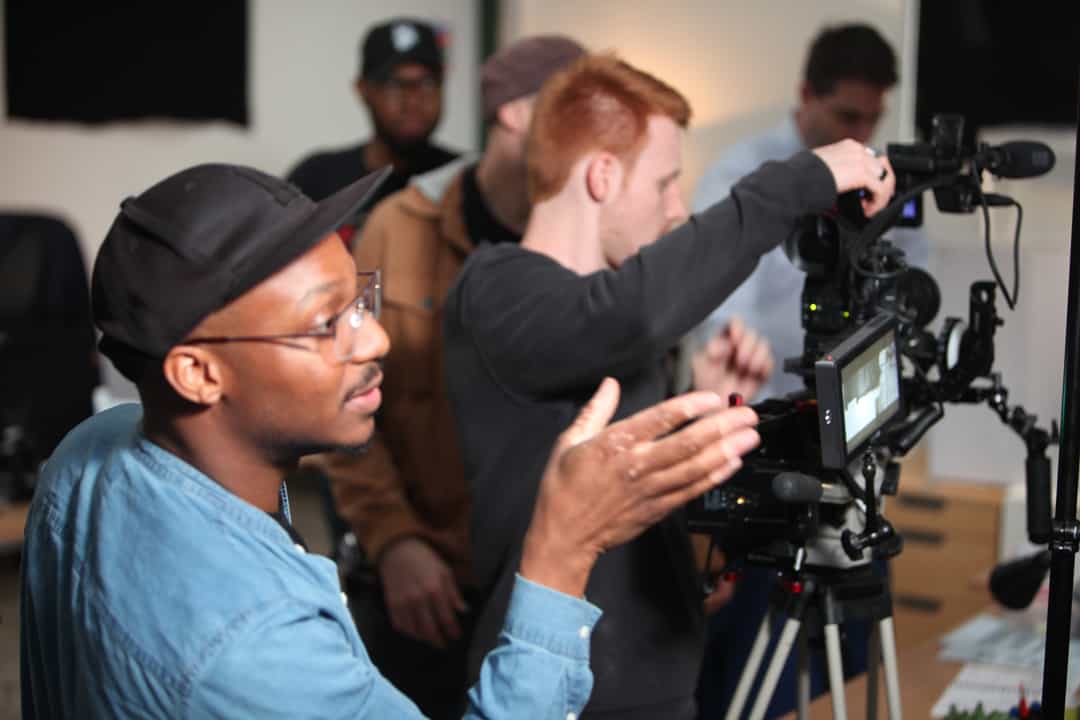
On 18 March, Adrian Dean is running a Film In A Night challenge built around a simple idea, one concept told in multiple genres. We’ll split into teams and be given a basic plot plus a genre to tackle it in.
Each group will then discuss and plan quickly before going off to shoot their idea, aiming to edit in camera so we can screen a finished film to the rest of the club at the end.
No pressure, just a fun, practical evening of filmmaking with friends, and a great way to see how much genre comes from choices, not budget.
See our other events here
Film In A Night Evening – One Concept, Told In Multiple Genres
In a film in a night challenge the teams that finish strong usually do one thing early, they commit. Not to perfection, just to a clear direction.
Start with three quick agreements:
- Genre Promise, what do you want the audience to feel most, amused, tense, unsettled, warm, suspicious
- Genre Signal, pick one obvious “tell” you can lean on all the way through, sound, lighting, performance style, pacing, camera movement
- Final Beat, decide what the last moment is meant to land like, so you’re always shooting towards something
Then keep the rest ruthlessly simple.
Time Saving Tips That Actually Work On The Night
Planning can drift into a mini writers room if you let it, so for a film in a night challenge give yourselves a few constraints and stick to them.
- Limit locations
- One location is ideal, two at most. Moving between places eats time, and it’s where continuity and sound start falling apart.
- Keep the shot list small
Aim for around 6 to 10 shots. If you’re listing 20, you’re probably trying to cover uncertainty rather than telling the story. One strong wide and a couple of close ups will do a lot of heavy lifting.
Assign “owners” even if roles overlap
Someone watches sound, someone watches framing, someone watches continuity. People can double up, but it helps if each area has a name attached to it.
Rehearse the blocking once
A quick walk through of where people stand, where they move, and where the camera is, saves more time than repeating takes later.
If you get stuck, go more obvious
Film In A Night is not the moment for subtle genre. Make the genre clearer than you think it needs to be, especially in the first 20 to 30 seconds.
What Editing In Camera Means
Editing in camera means you’re assembling the film as you shoot, rather than collecting lots of coverage and building it later. In practical terms, you film only what you intend to use, and where possible you shoot shots in the order you want them to appear.
It’s a great approach for this kind of challenge because it keeps things moving, and it stops the evening turning into a long laptop session.
You might also want to read how to get it right colour wise in camera
How To Get Editing In Camera Right
- Shoot in sequence where you can
- If your story beat order is A then B then C, try to film in that order. It reduces confusion and makes the “assembled” version feel natural.
- Give every shot a clean start and finish
- Hit record, hold for a second, let the action happen, hold for a second at the end. Those little handles make it much easier to stitch together quickly.
- Cut on actions, not on words
- People turning, standing, picking something up, reacting, these are natural cut points. Cutting mid line can work, but only if you’re doing it deliberately.
- Fewer takes, but one safety take
- Do not chase perfection, but if a take felt messy, do one more while you’re there. “We’ll fix it later” is how Film In A Night projects die.
Prioritise sound
Clear dialogue makes a film feel finished. Get close enough to the actors, do a quick listen back before you move on, and avoid noisy corners if you can.
At The End Of The Night
We’ll bring the films back together and watch them as a group. Same basic plot, different genres, different choices, and a lot of laughs, plus you’ll probably pick up a few tricks just from seeing how other teams tackled the same starting point.